
If you live in a small home, apartment, hostel room, or studio, every inch of space—and every bit of convenience—matters. Cooking should be quick, safe, and efficient without turning your space into a hot, cluttered mess. That’s exactly where induction stoves outperform traditional gas stoves.
In this guide, we’ll break down why induction stoves are the smarter choice for small homes, with real-world advantages, practical comparisons, and buying tips.\
Induction vs Gas: Quick Comparison
| Feature | Induction Stove | Gas Stove |
| Space Requirement | Compact & portable | Bulky + cylinder required |
| Safety | Very high (no flame) | Fire & gas leak risk |
| Heat Efficiency | ~85–90% efficient | ~40–55% efficient |
| Cooking Speed | Very fast | Moderate |
| Cleaning | Easy (flat surface) | Difficult (burners, grease) |
| Indoor Air Quality | Clean (no fumes) | Produces smoke & CO₂ |
| Cost (Long Term) | Lower (energy efficient) | Higher (gas refills) |
What Is an Induction Stove?
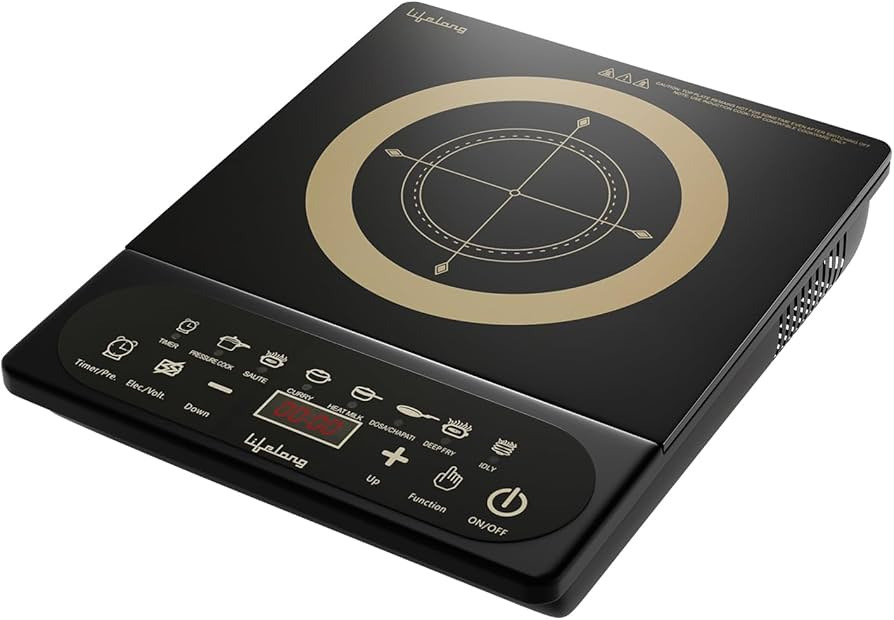
An induction stove uses electromagnetic energy to directly heat your cookware instead of heating a flame or burner. This means:
- Faster cooking
- Less heat waste
- More safety
Unlike gas stoves, there’s no open flame, and heat is only generated when compatible cookware is placed on the surface.
Why Induction Stoves Are Better Than Gas for Small Homes (2026 Guide)
Space-Saving Design
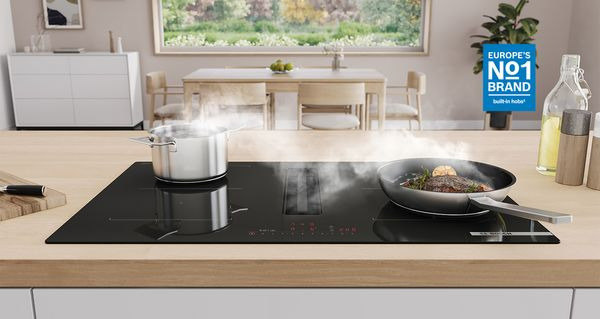
Induction stoves are ideal for small homes because they are compact and easy to manage. Unlike gas stoves that require a cylinder and a fixed setup, induction cooktops are lightweight and portable. You can place them on any flat surface and even store them away when not in use. This flexibility makes them perfect for apartments, hostels, and small kitchens where every inch of space matters.
Much Safer Than Gas
Safety is a major advantage of induction cooking. Since there is no open flame, the risk of fire accidents is significantly reduced. Induction stoves also eliminate the danger of gas leaks, which can be especially hazardous in small, enclosed spaces. Most modern induction cooktops come with built-in safety features like auto shut-off, overheat protection, and child locks, making them a reliable option for families and individuals alike.
Faster Cooking Performance
Induction stoves heat cookware directly using electromagnetic energy, which makes cooking faster and more efficient. Unlike gas stoves that waste heat in the surrounding air, induction transfers energy straight to the pot or pan. This means water boils quicker, food cooks faster, and you spend less time in the kitchen—an important benefit for people with busy routines or limited space.
Keeps Your Kitchen Cool
One of the common problems with gas stoves in small homes is the heat they generate. Gas flames release heat into the surrounding environment, making the kitchen uncomfortable, especially during warm weather. Induction stoves, on the other hand, heat only the cookware, keeping the surrounding area cooler. This creates a more comfortable cooking experience, particularly in compact or poorly ventilated kitchens.
Easy to Clean and Maintain
Cleaning is much simpler with an induction stove. The flat glass surface does not trap grease or food particles like gas burners and grates do. Most spills can be wiped away easily with a cloth, saving both time and effort. In small homes where maintaining cleanliness is important, this convenience makes a noticeable difference in daily life.
Energy Efficiency and Cost Savings
Induction stoves are highly energy-efficient because they convert most of the electricity into heat with minimal loss. In contrast, gas stoves lose a large portion of heat to the surrounding air. Over time, this efficiency can lead to cost savings, especially when compared to the recurring expense of gas cylinder refills. For budget-conscious households, induction cooking is a smart long-term investment.
Better Indoor Air Quality
Gas stoves release pollutants such as carbon dioxide and nitrogen dioxide, which can accumulate in small or poorly ventilated spaces. Induction stoves do not produce these emissions, making them a cleaner and healthier option for indoor cooking. This is particularly beneficial for families, children, and anyone concerned about air quality in a confined living space.
Portability and Flexibility
Another advantage of induction stoves is their portability. They can be easily moved from one place to another and used anywhere with an electricity supply. This makes them suitable not only for small homes but also for temporary setups, travel, or rental living situations where permanent installations are not practical.
Modern Features and Convenience
Induction cooktops come with a range of modern features that make cooking easier and more precise. Digital controls, temperature settings, preset cooking modes, and timers allow users to cook with better control and convenience. These features are especially useful in small homes where efficiency and ease of use are essential.
FAQs: Induction Stoves vs Gas for Small Homes
Is an induction stove better than a gas stove for small homes?
Yes, induction stoves are generally better for small homes because they are compact, safer, and more energy-efficient. They don’t require gas cylinders, produce less heat in the room, and are easier to clean, making them ideal for limited spaces.
Do induction stoves consume a lot of electricity?
Induction stoves use electricity, but they are highly efficient. Since most of the energy is directly transferred to the cookware, they often consume less overall energy compared to the heat wasted by gas stoves.
Can I use normal pots and pans on an induction stove?
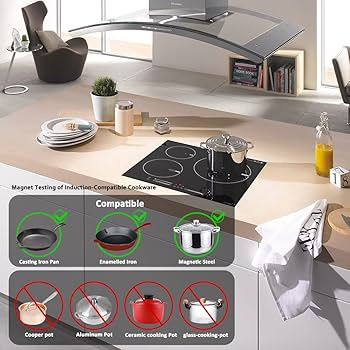
No, induction stoves require cookware with a magnetic base. Stainless steel and cast iron work well, but aluminum or glass cookware will not function unless labeled as induction-compatible.
Are induction stoves safe for daily use?
Yes, induction stoves are very safe. They do not have an open flame and usually include safety features like auto shut-off, overheat protection, and child locks, making them suitable for everyday use.
What happens if I remove the pan from an induction stove?
Most induction stoves automatically stop heating when the pan is removed. This feature prevents accidents and saves energy.
Is induction cooking faster than gas?
Yes, induction cooking is faster because it heats the cookware directly. Water boils quicker, and food cooks more evenly compared to gas stoves.
Do induction stoves work during power outages?
No, induction stoves require electricity to operate. In areas with frequent power cuts, you may need a backup option like a gas stove or UPS system.
Are induction stoves expensive?
Initial costs can be slightly higher than basic gas stoves, but they save money over time due to energy efficiency and no need for gas refills.
Final Thoughts
For small homes, induction stoves offer a clear advantage over traditional gas stoves. They are safer, faster, more energy-efficient, and easier to maintain. Their compact design and modern features make them perfectly suited for limited spaces, helping you cook comfortably without compromising on convenience. If you’re looking to upgrade your kitchen setup, an induction stove is a practical and future-proof choice.
Related posts:
 Best Budget Air Fryer for Small Families (2026 Buyer’s Guide)
 7 Best Air Fryers for Crispy Fries Every Time (Tested 2026)
 Top 8 Budget Air Fryers Under $50 for Daily Cooking (2026)
 8 Best Air Fryers for Keto & Low-Carb Recipes (2026 Guide)
 Best Multi Burner Induction Stove for Large Family Cooking (2026 Buyer’s Guide)
 Large Induction Cooktops for Big Families That Actually Save Electricity (2026 Guide)